Look at me now!!!!!
Look at me now!!!!!
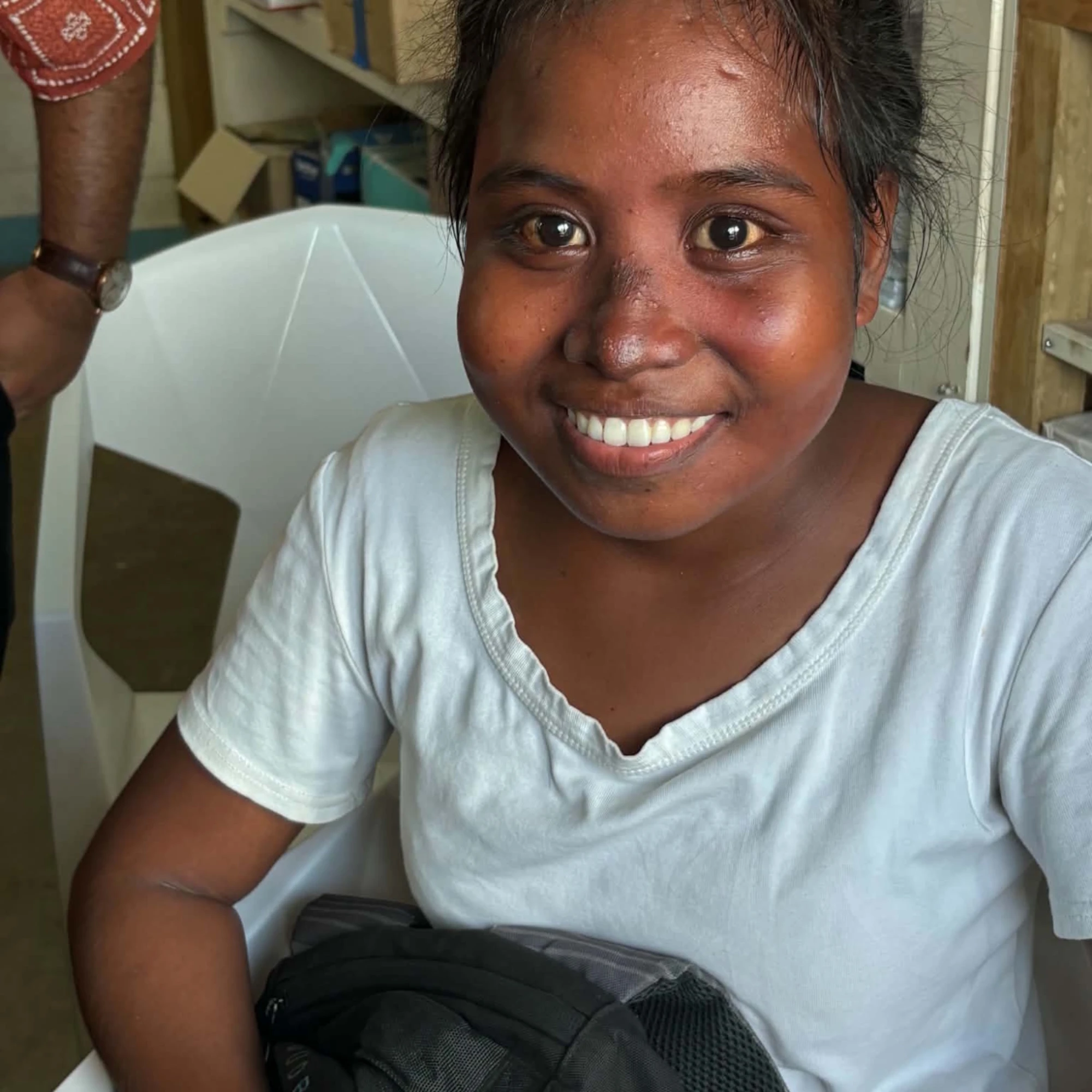
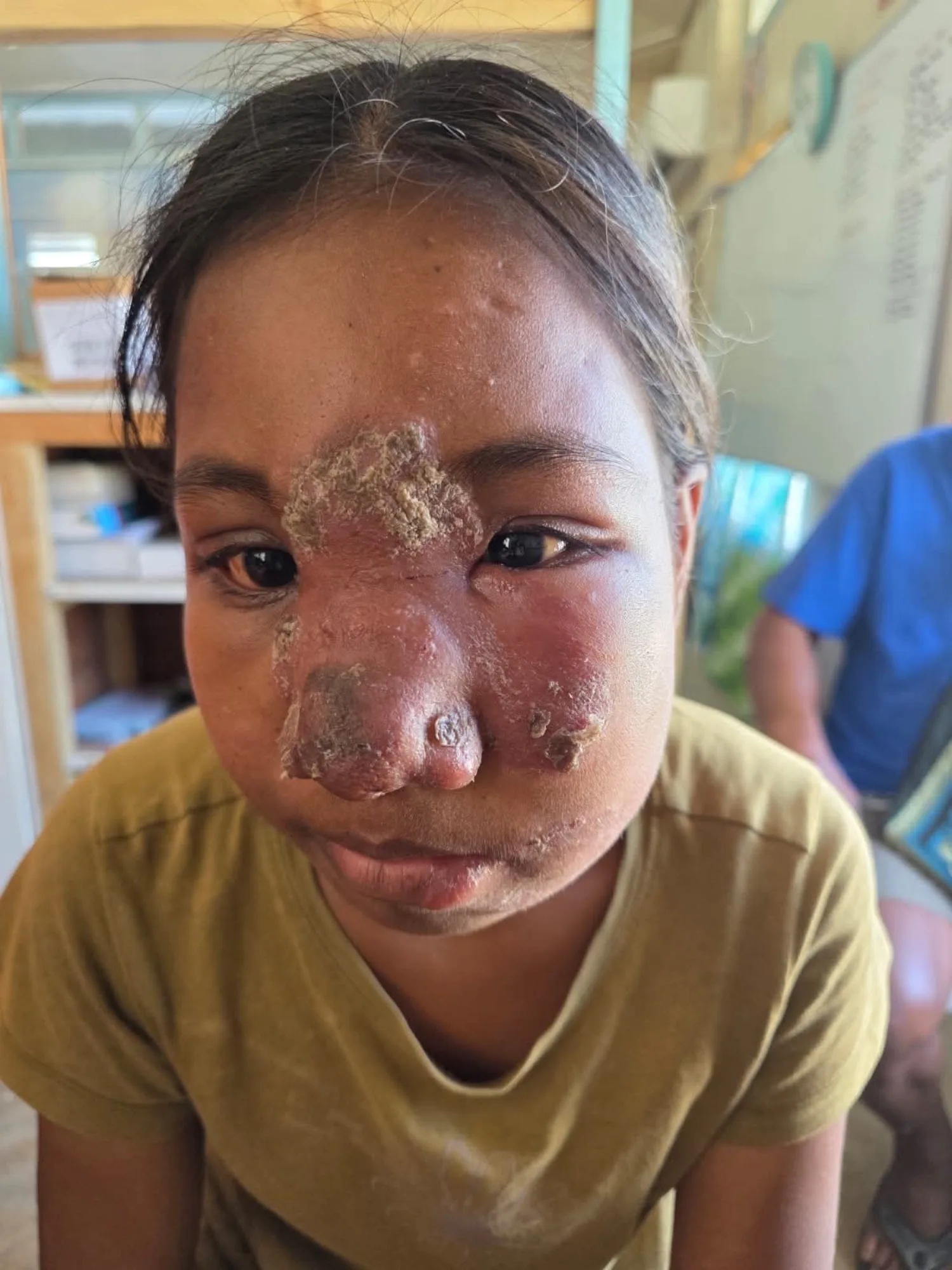
Meet Tibea, a 16-year-old student from Tarawa in Kiribati.
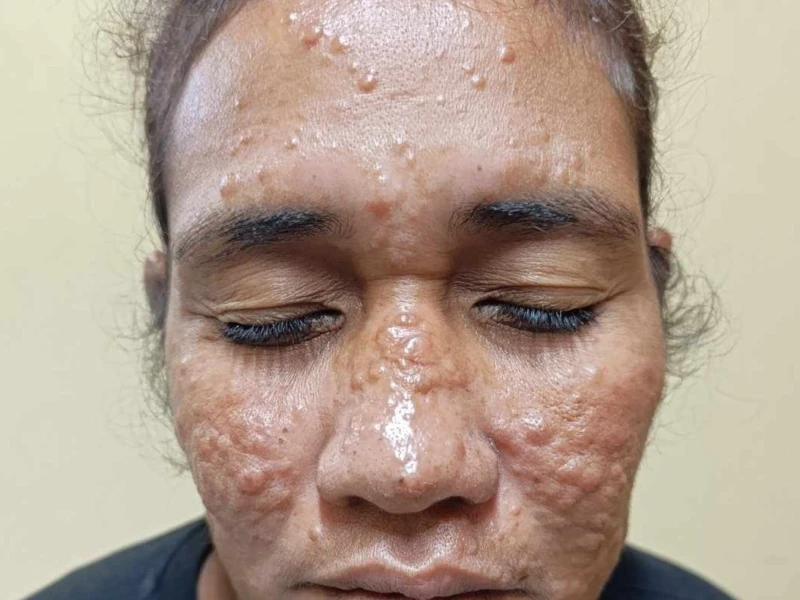
Tibea was diagnosed with leprosy nearly a year ago. She had one large lesion on her face. As soon as she started on the twelve-month treatment, as often happens, Tibea developed leprosy reactions. These are not reactions to the medication; they are inflammatory episodes caused by changes in the body's immune response to Mycobacterium leprae. They can occur in patients with leprosy before, during, or even after treatment. If not treated promptly and correctly they can lead to nerve damage and disability.
Tibea’s leprosy lesion became inflamed and swollen so she returned to the leprosy clinic where she was given the correct treatment of steroids. Her parents lost confidence in the treatment because they felt it had made her worse so they stopped both the leprosy treatment and the steroids and turned to alternative local treatments. The swelling on her face extended to her nose and unfortunately the local herbs used in the treatment caused burning and blistering to her nose.
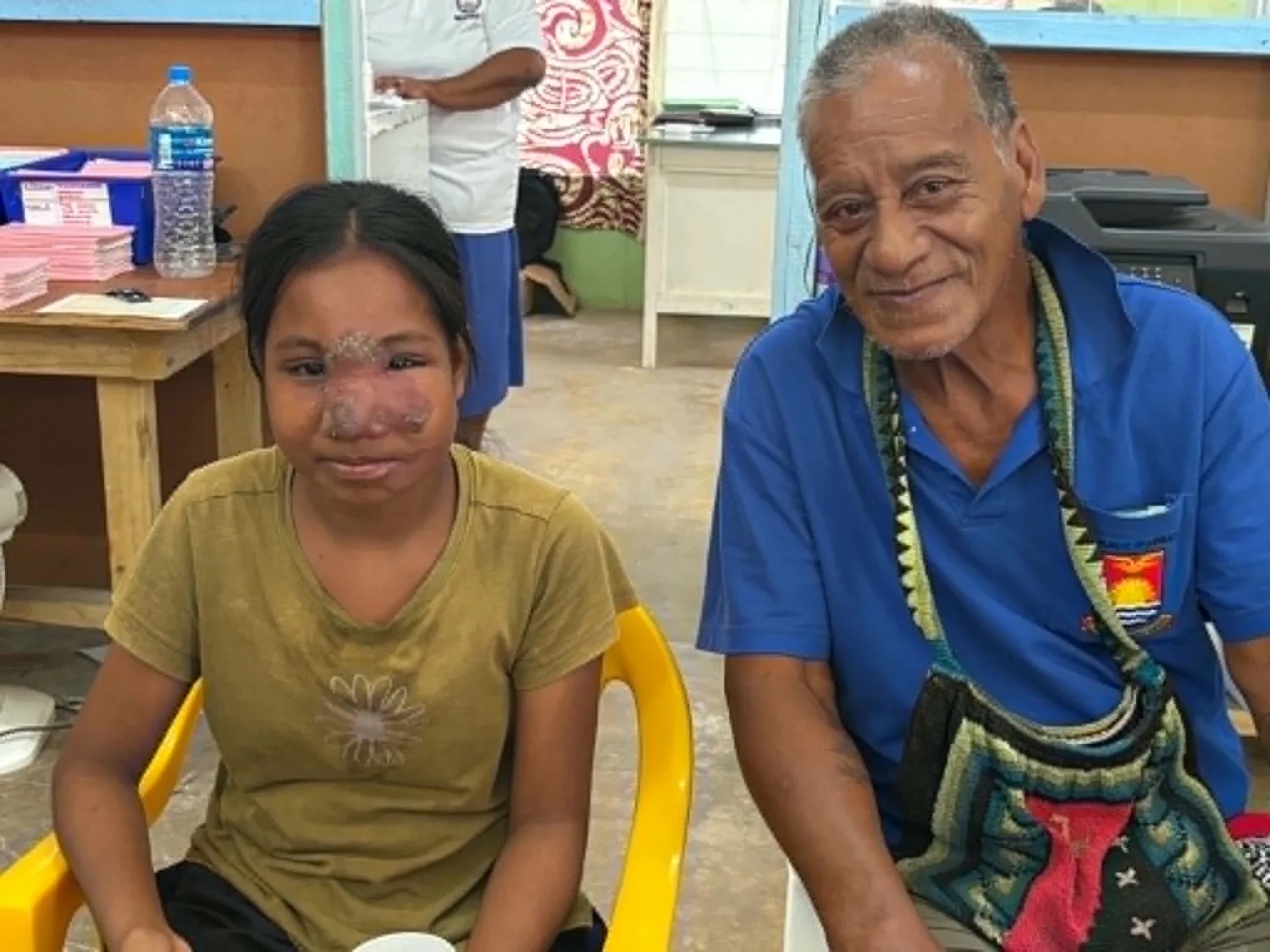
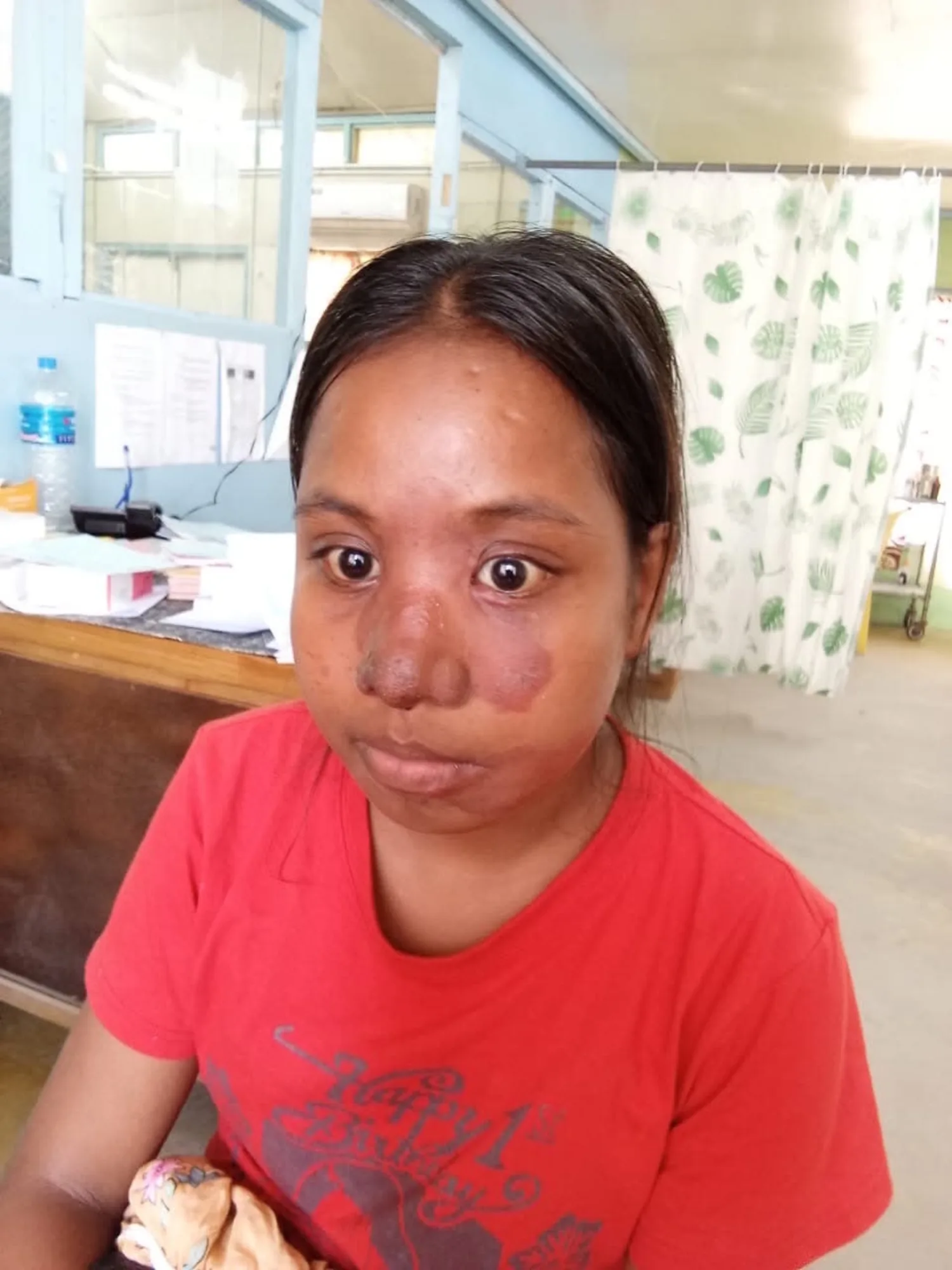
Tibea was so upset about her appearance that she would not go to school and chose to stay home. She did come back to the skin clinic and the nurses there asked her to return the next week so she could be seen by Dr Cunanan who would be there with the Pacific Leprosy Foundation team. Tibea restarted treatment and agreed to make the trip by boat from North Tarawa to be reviewed in the clinic every two weeks. Funding was provided by PLF to pay her boat fare and some food as the visit would take a full day. While we were still in Tarawa, Tibea returned with her father who was still concerned that the treatment was making her worse. After a talk with the PLF team he was happy to allow Tibea’s treatment to continue. When we returned in June it was wonderful to see a happy, smiling girl who was excited to be back at school with her friends. She told us she tells her teachers and friends about leprosy and how it can be treated and how it’s important not to stop the treatment.