Country Round Up
Country Round Up
As this is the first newsletter of 2026, it seems like a good opportunity to summarise briefly what is happening in all the countries where we work. Many of our areas of work don’t get much attention in the newsletters – this isn’t because we aren’t doing anything but may be because there haven’t been any major projects.
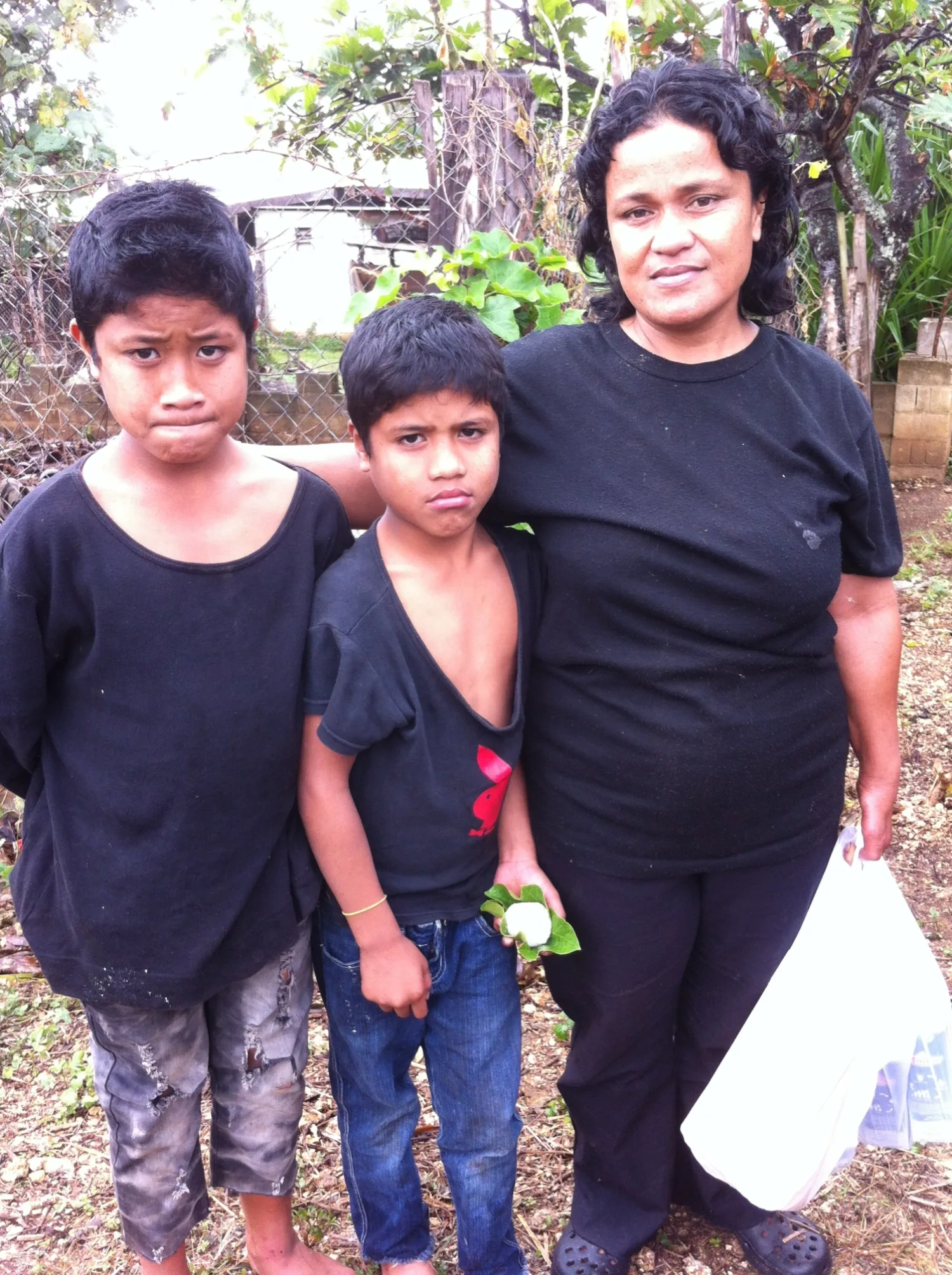
Tonga
In Tonga our focus is wholly on the welfare of former patients who suffer with severe disabilities because of leprosy. The smsm Sisters assist us by distributing funds to these patients each month overseeing their care and helping them to remain as independent as possible.
Samoa
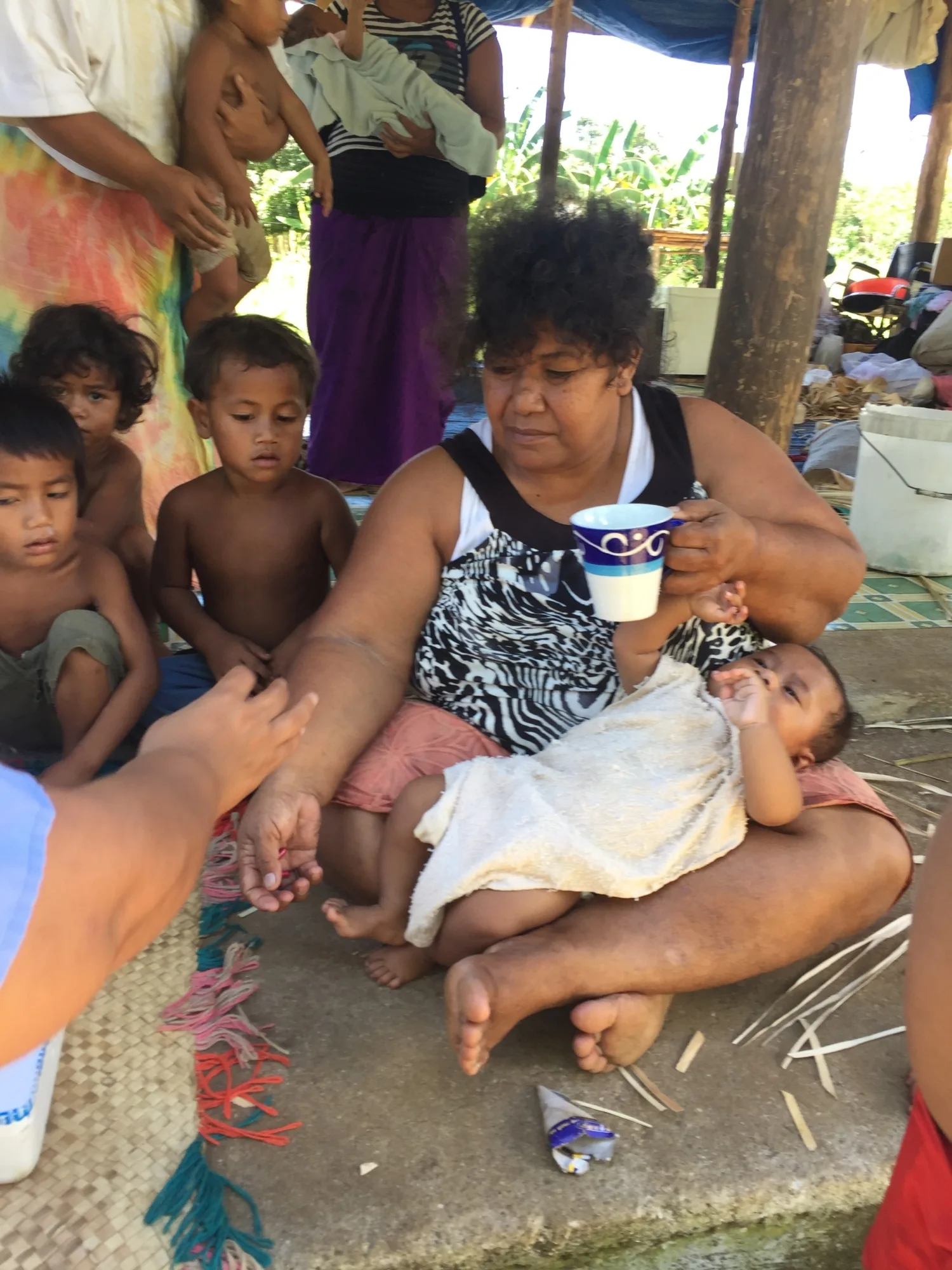
Samoa was the first country in which we rolled out our post-exposure prophylaxis (PEP) programme – giving two doses of Rifampicin – a year apart – to everyone who had had close contact with a leprosy patient. Rifampicin is one of the three drugs used to cure leprosy. Following successful completion of the programme, there have been very few cases of leprosy in Samoa – and there had been none in children until last year. However, we are happy that the leprosy medical team fully understand the programme and are vigilant in continuing the fight against leprosy.
We have a very effective and active welfare programme in Samoa, focussed on sustainable support for those unable to work because of their disabilities, and ensuring that the children of families affected by leprosy can get a good education which will improve their prospects and their ability to help their families in the future.
Vanuatu
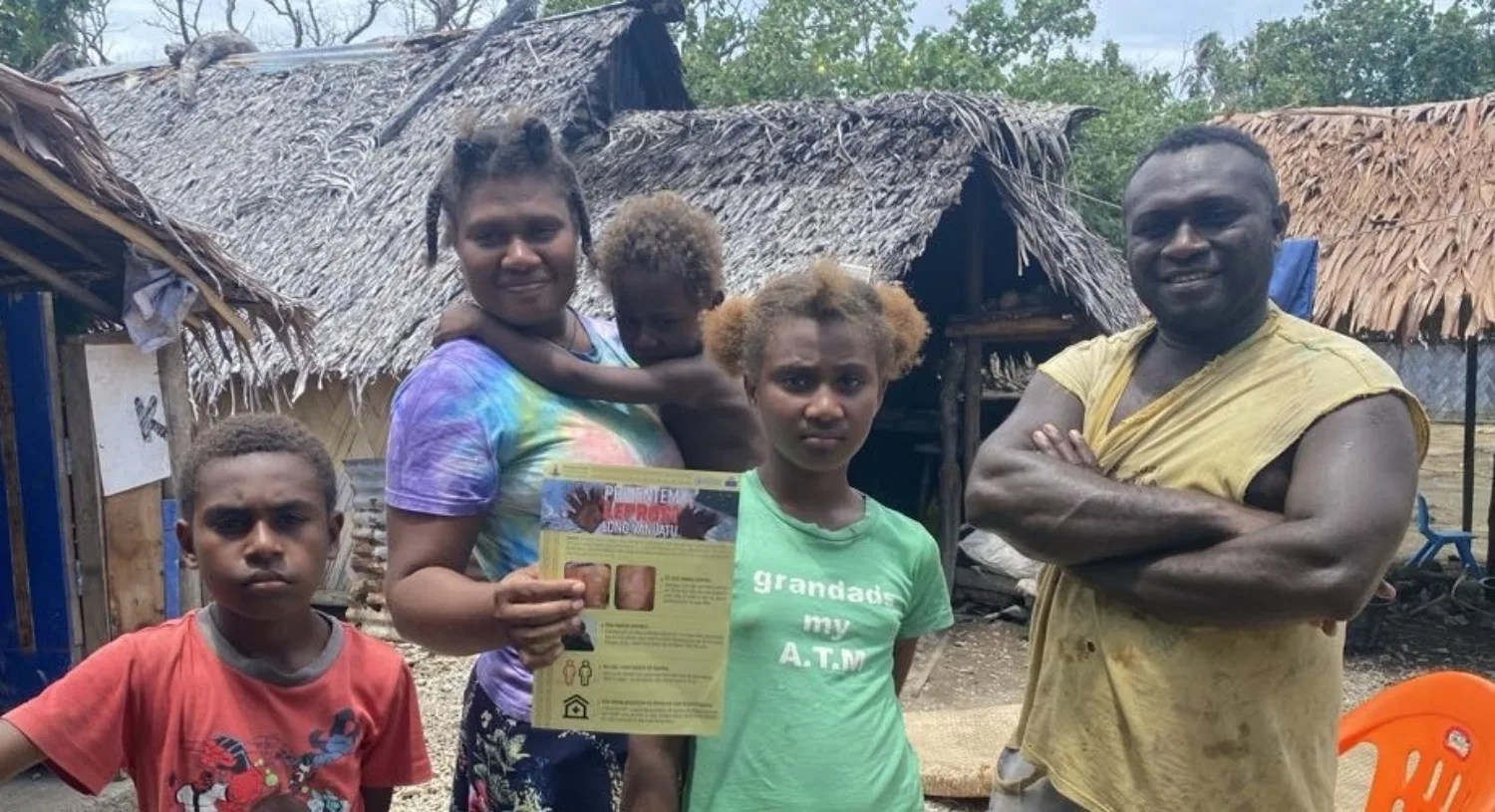
As you will know from previous newsletters, the leprosy team from the Ministry of Health has embarked on widespread population screening for leprosy in the areas where most new patients have originated. The programme has been completed in the Malekula area of Malampa and the team is now going to concentrate in the Port Olry area of Santo during February. Our team will be working with them, so we will be able to bring you photos and more information about this in our next newsletter.
New Zealand
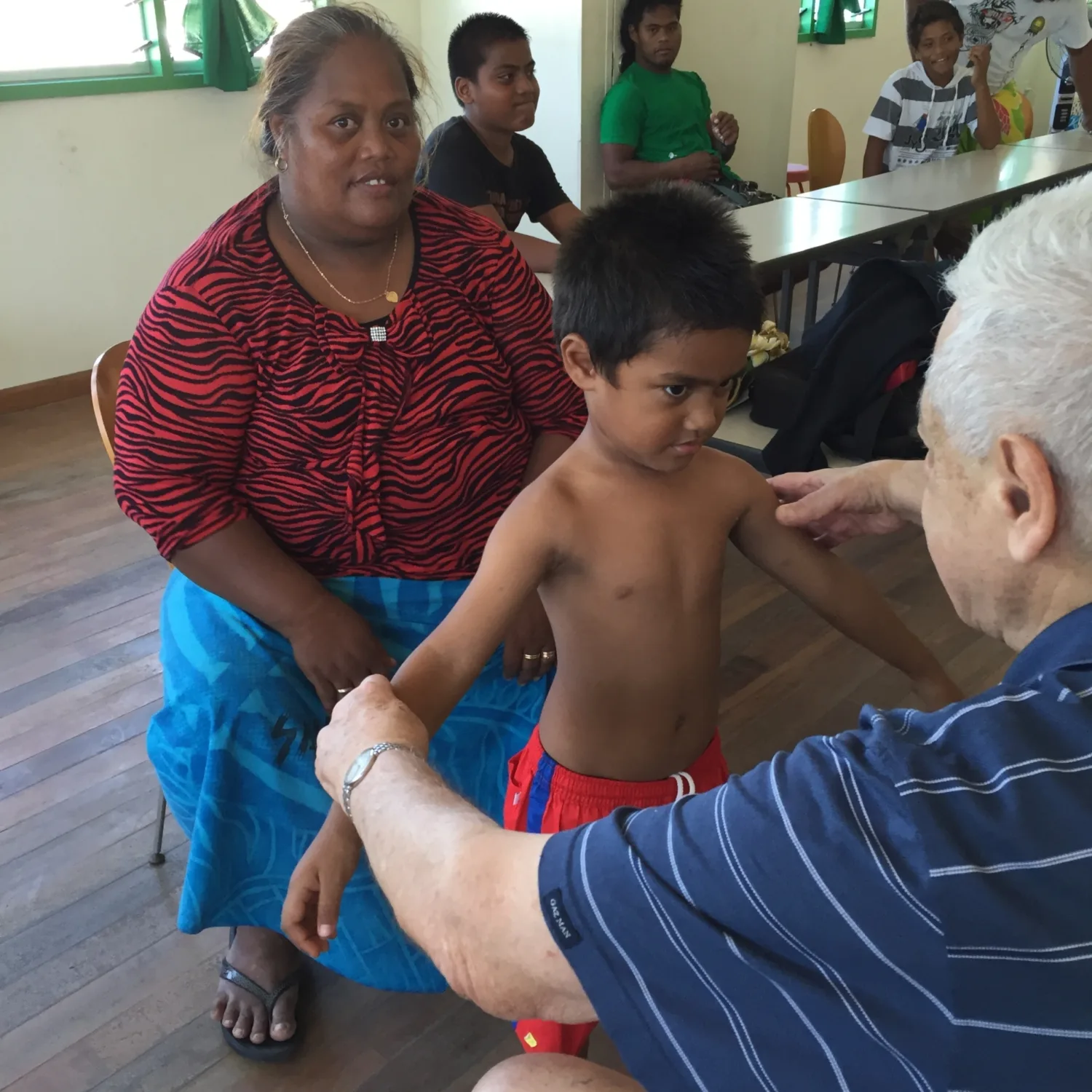
A handful of cases of leprosy are diagnosed in New Zealand each year – although we are not automatically notified about them for privacy reasons. However, the medical staff do get in touch with us, with the patient’s permission, if they need some assistance. This is help with getting to and from hospital appointments, school expenses, medical bills and keeping their home warm. In Auckland, we employ the occasional services of a retired nurse who speaks Samoan and keeps in contact with our more disabled patients to ensure that they are complying with their treatment and receiving appropriate medical care for their disabilities.
Tuvalu
Our work in Tuvalu has been hampered by a shortage of medical staff in the country. We continue to stay in touch with the Ministry of Health there and hope to soon be able to bring you news of progress there. This is particularly important as a number of Tuvaluan people have been diagnosed with leprosy in other countries in the South Pacific, which indicates that there is active transmission of leprosy in Tuvalu itself. In a country with a population of only 10,000 people, even one case of leprosy represents a public health risk for that community.
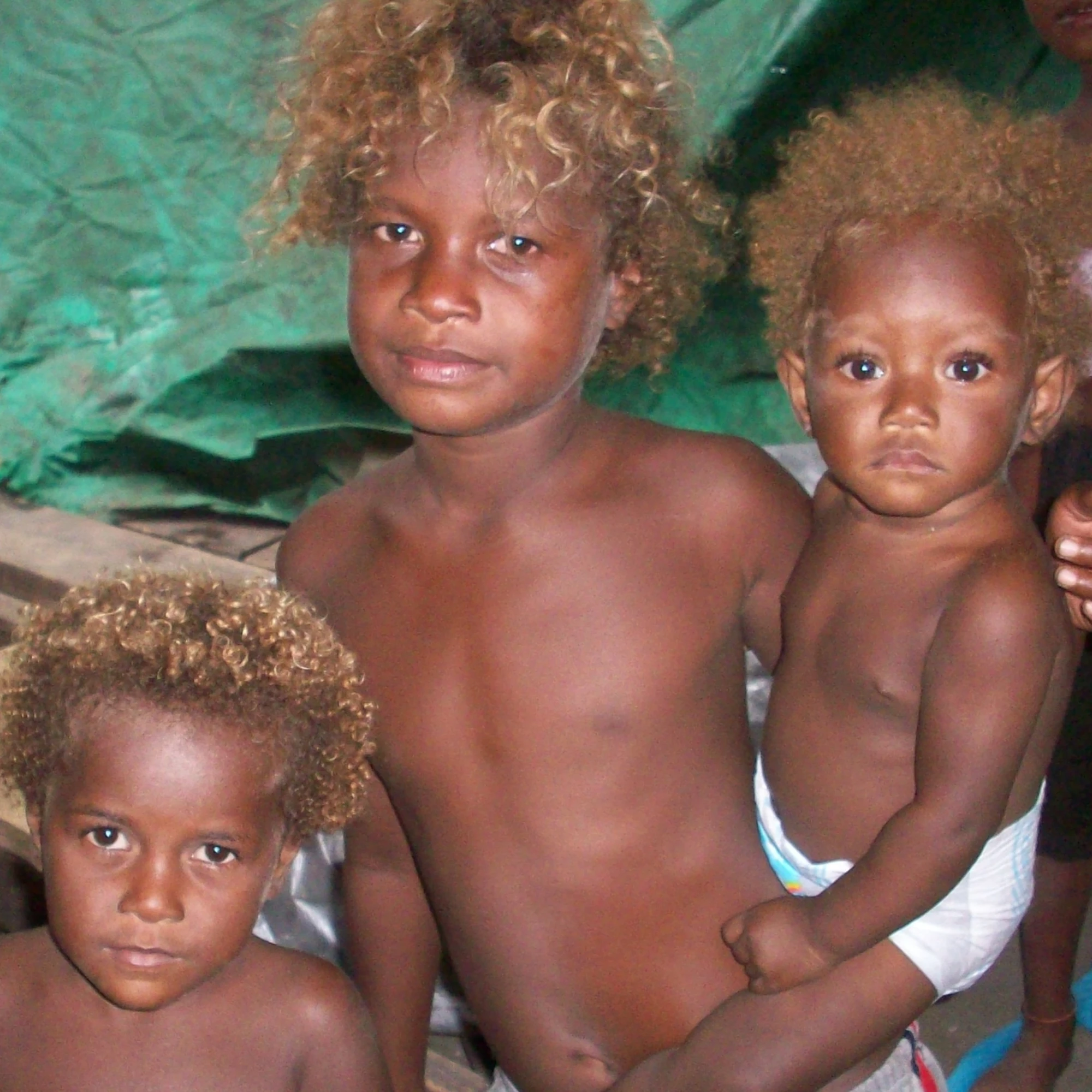
Solomon Islands
In the Solomon Islands, we have worked with the Ministry of Health and Medical Services to ensure national and village clinic staff are trained in the diagnosis and care of people with leprosy. We are also working alongside the TB and Leprosy team there to update their protocols and prepare for the implementation of PEP. We are hopeful that additional staff will be made available to work on the PEP programme and that the first stages of this will begin towards the end of the year. Two doctors are completing their master’s training in dermatology and will be invaluable assets to the leprosy programme when they return to the Solomons.
Meanwhile, our welfare programme continues to provide help for those former leprosy patients with Grade 2 disabilities (showing visible deformity or disability caused by leprosy). As in other countries we concentrate on education, nutrition and items such as shoes to relieve the dangers of injuries to numb feet, which could result in wounds with severe infection leading to amputation.